The most loved photo stories of July 2026 showcase a range of approaches, from intimate self‑portraiture to experimental reproductions, reflecting the varied ways photographers engage with memory, community and performance.
Ashley Markle’s “Low Hanging Fruit” Examines Personal History
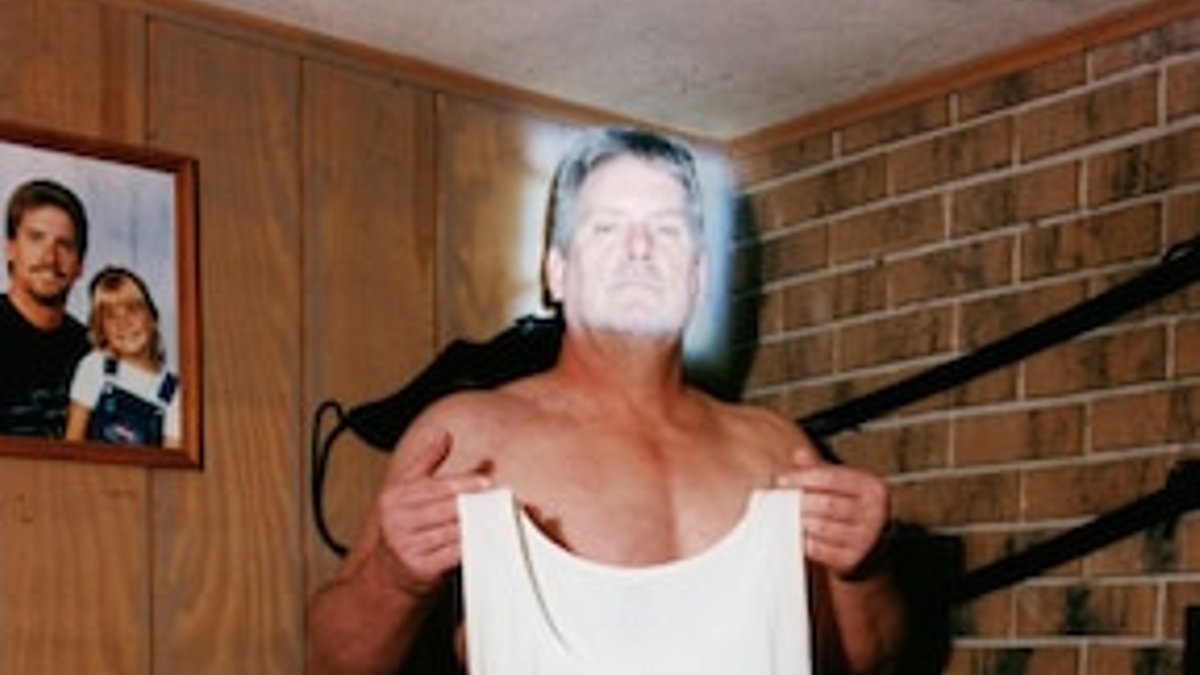
Photographer Ashley Markle continues to use the camera as a tool for unpacking her past. Her recent series, titled Low Hanging Fruit, combines staged self‑portraits with cameo appearances by family members, blurring the line between reality and imagination. “The stories encompass my entire life,” she told a magazine interview, adding that the work probes why she and her parents behave as they do. The images often feature the photographer holding the camera, a visual cue that breaks the fourth wall and invites viewers to consider the act of looking itself.
Critics note that the series balances raw emotion with a surreal undertone, creating a visual diary that feels both personal and universal. While the photographs are deeply rooted in her own narrative, the themes of relational complexity resonate with broader audiences, contributing to their popularity this month.
Related: Superior Sound Engineering: The Ultimate Bluetooth Speaker Buying Guide
Eva Zar’s “God Is a Stripper” Turns Nightlife Into Myth
In a project that reframes strip clubs as stages for performance, Eva Zar presents a series of portraits titled God Is a Stripper. The work captures dancers from New York venues, portraying them with a romantic, almost goddess‑like quality. “When you think about it, the strip club becomes this very exaggerated, hyper‑visual of the world we live in,” she explained, noting the exchange of desire and payment as a mirror of broader social interactions.
Unlike many photographers who focus on gritty realism, Zar’s images emphasize softness and fantasy, a choice that reflects her own journey through darkness toward a gentler perspective. The project’s blend of honesty and idealization has drawn significant attention, positioning it among the month’s most discussed photo essays.
Mattia Zoppellaro Documents a Vanishing Milan Neighborhood
Photographer Mattia Zoppellaro turns his lens toward Giambellino, one of Milan’s remaining working‑class districts, as gentrification reshapes the city. His portrait series captures residents in everyday settings, preserving a visual record before rising rents potentially displace the community. The photographs often feature golden sunlight on shop signs, evoking a nostalgic atmosphere that highlights the urgency of his documentation.
Related: Jeanerica Leads Scandi Denim Expansion Abroad
Observers highlight the series as a timely reminder of how urban development can erase cultural identity. By focusing on individual faces, he adds a human dimension to the broader socioeconomic shift, making the work both aesthetically compelling and socially relevant.
Tom Wood’s Nightlife in Merseyside
Tom Wood has spent years with his lens trained on the nightlife of Merseyside, documenting the scenes and atmospheres that unfold after dark.
Hard Copy Experiments with Xerox Reproductions
In an exhibition and accompanying zine titled Hard Copy, a group of photographers revisit their own work through the lens of Xerox technology. Co‑curator Aaren Stern describes the process as appealing because of the “non‑preciousness of the materials” and the “large‑scale prints” that evoke a painterly quality. The resulting images possess a motion‑like blur, reminiscent of charcoal drawings, and challenge traditional notions of photographic fidelity.
Related: Grandma’s sneakers are back in style
Participating artists include established names such as Mark Borthwick, Christopher Anderson and Justine Kurland, alongside emerging talents. The project’s blend of documentary, fashion and fine art perspectives creates a diverse visual experience that has sparked conversation about the role of reproduction in contemporary photography.
Audiences continue to seek both personal introspection and experimental forms. As photographers push boundaries—whether by restaging memories, reimagining nightlife or using unconventional printing methods—their work will likely keep shaping the dialogue around visual storytelling in the months ahead.

Leave a Reply