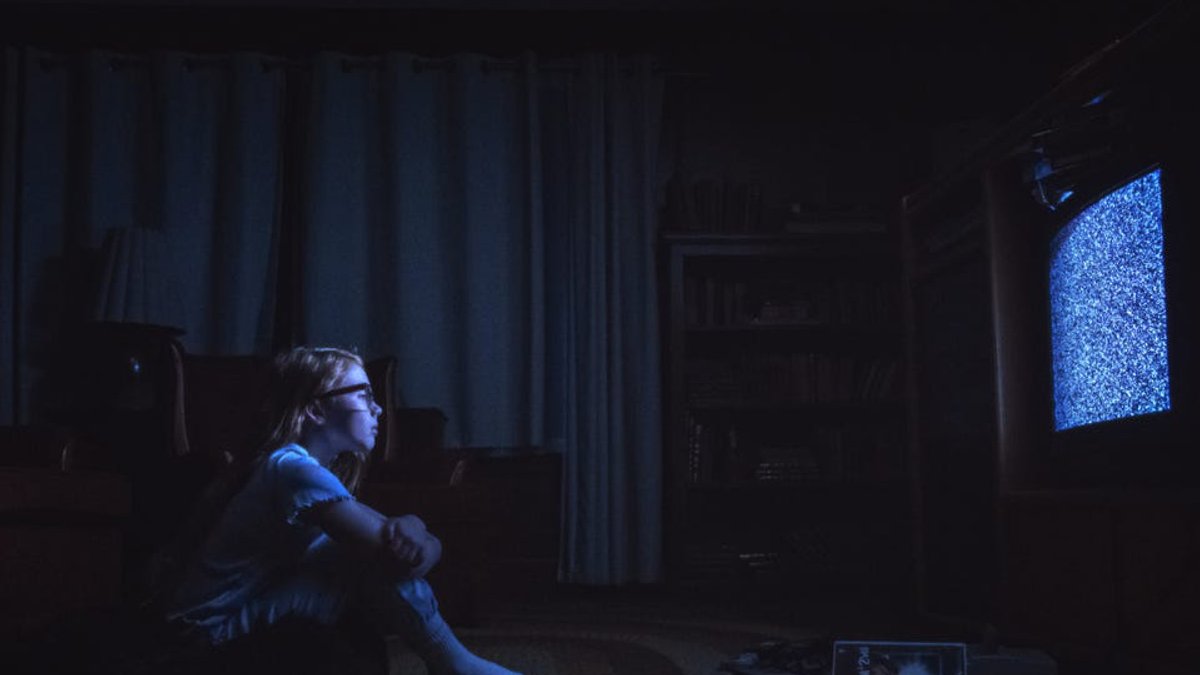
Teenage Sex and Death at Camp Miasma arrives on August 7 as the latest slasher‑comedy from director Jane Schoenbrun, who previously turned heads at Sundance with two indie horror titles.
Director Shifts From Angst to Joy
The picture follows a queer filmmaker named Kris, a Sundance darling turned franchise director, on a mission to reboot the infamous Camp Miasma series, a cult property built around a murderous entity called Little Death. The journey leads her to an isolated compound where she seeks out Billy Presley, the original final girl who has been hiding on the very set of the first film.
Related: Meghan shares glimpse of her morning routine
When Kris arrives, she discovers that Billy never truly left the story; she lives on the campground, embodying a swagger reminiscent of classic Hollywood stars. Their uneasy partnership drives the narrative, blending campy horror tropes with a surprisingly tender exploration of desire.
Camp Miasma’s Blend of Fear and Pleasure
Schoenbrun’s earlier works—We’re All Going to the World’s Fair (2021) and I Saw the TV Glow (2024)—examined gender dysphoria and identity through a stark lens. In a recent interview, the director said, “I understood that I was in a different place than the place I was in when I made my first two movies, which were movies about the very beginning stages of transition.”
“Those movies, as a result, are these wails—not the animal; I’m wailing into a void. When it came time to start thinking about Miasma, I thought, ‘I’m actually in a much better place. I don’t need to wail. I need to laugh and sigh.’”
Related: Artist behind Haaland nail art revealed
The new project adopts joy, positioning the horror‑comedy as “enjoyed best by a bunch of gay people being together, hooting and hollering,” according to the director after the film’s NewFest premiere. Rather than mining otherness, the picture revels in the pleasures of gender and sexuality.
In its opening act, the story pokes fun at Hollywood’s current reboot craze, then veers into a more personal terrain when Kris meets Billy, whose confidence contrasts sharply with the filmmaker’s work‑obsessed demeanor. The dynamic pushes the lead character to confront vulnerability both on and off the screen.
Compared with earlier slasher revivals that leaned heavily on gore, this picture flips the script by making erotic tension the engine of the narrative, a shift that feels both fresh and oddly clumsy in its own way.
Related: Top films from Philadelphia’s BlackStar Film Festival
The first major killing spree, which Schoenbrun dubs a “blood ballet,” is described by the director as the “first orgasm.” Little Death emerges from the lake, slashing and dancing to Counting Crows’ “The Long December,” creating a scene that is both gory and oddly exhilarating.
To balance terror and delight, Schoenbrun’s visual research included a “Flesh” section featuring a still from the erotic spy thriller Lust, Caution (2007) and other sapphic art‑house references.




Leave a Reply