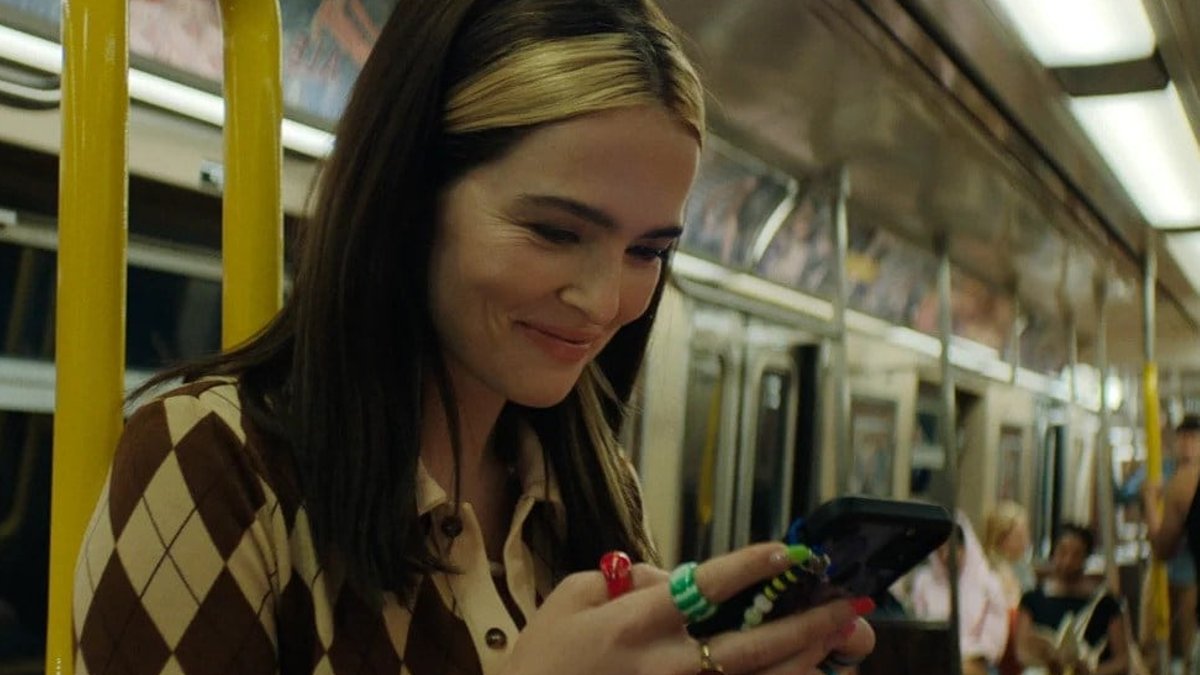
Willa Farrell, a 23-year-old talent assistant in Los Angeles, stopped posting publicly on Instagram years ago. She now ghost-posts—uploading photos, archiving them almost immediately, then unarchiving them later when she chooses. The method lets her control what remains visible on her profile without worrying about an audience.
“There’s something freeing about posting in secret,” Farrell said.
She explained that ghost-posting removes the expectation of visibility. The content exists, but only on her terms.
The rise of the invisible post
Instagram added the archive tool in 2017 to help users remove posts without deleting them. The feature aimed to encourage sharing by reducing the fear of permanent mistakes. Young users, however, turned it into a way to curate their grids without facing likes, comments, or algorithmic pressure.
Related: AI Helps Find Perfect Match
Farrell began ghost-posting during a study abroad semester in Rome. She took many photos but didn’t want to share them in real time. The academic environment felt competitive, and posting would have misrepresented her experience. Instead, she uploaded the photos, archived them, and unarchived them gradually over months.
“It was a way to share content that mattered to me, but at my own pace,” she said.
Now, she only ghost-posts. “I post whatever I want and keep it on my grid without worrying about opinions,” she said. Her profile became a personal moodboard rather than a public display.
Performance anxiety and the death of the feed
Many young users see ghost-posting as a response to the pressure of constant visibility. Danait Desta, a 26-year-old social media manager in New York City, remembers when Instagram felt more relaxed. People shared Starbucks orders, poorly filtered selfies, and unpolished moments without hesitation.
“Back then, I posted whatever I wanted,” Desta said. “There wasn’t any pressure.”
Related: Tender Portrait of a Transmasc Friend Group
Now, posting feels like a performance. She avoids appearing in followers’ feeds constantly. Ghost-posting lets her shape her profile without oversharing. “I just want my page to look a certain way,” she said.
The trend shows how young people view social media differently now. Independent technologist Sean Thielen-Esparza describes the grid as a “default commercial” space. “People treat Instagram like work,” he said. Ghost-posting gives users control—letting them post without pressure, then step back when they want.
Young users haven’t abandoned the grid entirely. They still document their lives, even if only for themselves. The change is in deciding when—or if—they want to be seen.
Farrell summarized it: “My account is my space.”


Leave a Reply