Philadelphia’s BlackStar Film Festival marked its 15th anniversary recently, showcasing a wide array of cinema from around the globe. Organized by BlackStar Projects, the event screened 91 films representing more than 30 countries. The festival focuses specifically on work by Black, Brown, and Indigenous filmmakers, offering a platform for stories that frequently go overlooked in the mainstream industry.
Often described as the “Black Sundance,” the gathering has carved out a distinct space in the film world. It prioritizes narratives from communities of color, creating a rare environment where audiences can view rom-coms from Lagos, documentaries from Palestine, and features from Brazil in a single weekend. The festival provides marginalized people the chance to see their own experiences, and new ones, reflected on screen.
Documentaries of History and Resilience
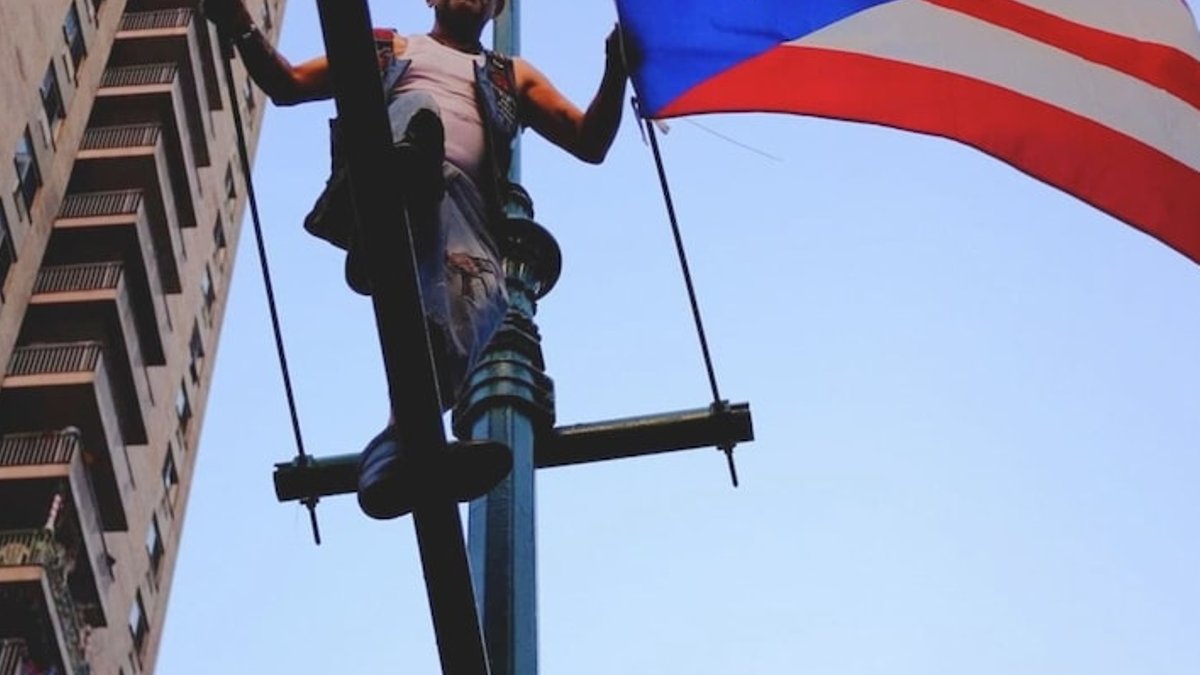
Filmmaker and journalist Taylor Hosking directs West Side Familia, a documentary exploring the impact of Puerto Ricans on New York City’s Upper West Side. The film opens with a neighborhood elder climbing a traffic pole to hang the Puerto Rican flag, a fitting image for a story about reclaiming space. Hosking, a native New Yorker, weaves her own family history with the story of the 1970s advocacy group West Side Familia. The 75-minute runtime sheds light on a forgotten chapter of the city’s past.
Related: Young men embrace circumcision rediscover intimacy
Another documentary, One More Show, follows the Free Gaza Circus troupe. Directed by Ahmed al Danaf and Mai Saad, it tracks five Palestinian men displaced by war. The group includes dancers, clowns, and stilt walkers who cobble together resources to perform for children in the region. While the shows target the youth, the documentary makes it clear that the men need the sense of joy the troupe provides just as much as their audience. It is a snapshot of resilience amidst conflict.
Narrative Features and Romance
For audiences seeking a romantic comedy, Call of My Life offers a story set in Lagos. The film centers on Soluchi, a call center agent who is a “true lover girl” but feels she might be “too much” after a past relationship. She meets Eli, a handsome journalist new to the city who becomes obsessed with her. The movie employs familiar genre tropes—a supportive best friend, an airport run—but centers Black women and the African diaspora experience. It is currently showing in select theaters in the US and UK.
Ulisses Arthur’s We Are Not Dreaming introduces Ciro, a medical student and pole dance instructor in Brazil. By day, he and his friends try to make it through coursework while protesting their university’s poor treatment of students. By night, they train as dancers to escape the stresses of school and financial trouble. Ciro’s life shifts when he moves in with Antonio, a neighbor and enigmatic DJ, putting his training to the test.
Related: Yves Saint Laurent Redefines Sex Appeal
The value of a festival like this lies less in the sheer volume of content and more in the specific curation of global perspectives. While major industry events often prioritize marketability, this selection emphasizes cultural specificity without sacrificing broad appeal. It creates a rare environment where a Brazilian pole-dancing medical student feels as essential to the program as a historical account of Caribbean migration.
Exploring Black Canadian History
Director Michèle Stephenson presents True North, a documentary investigating racism against Black Canadians. The film examines the migration of Black Caribbeans to Canadian cities in the late 1900s. A focal point is the Sir George Williams affair, a 1969 student occupation at a Montreal university protesting racism. The documentary argues that these fights for freedom ran parallel to those in the United States but received less coverage. It premiered in 2025 and is available for streaming on PBS.
A Short Film Portrait
Among the short films, Buckskin stood out to viewers. This experimental documentary profiles Carroll B. Williams Jr., the first African American to earn a doctorate in forestry and entomology. His granddaughter, Mars Verrone, directs the film. It features 16-mm shots of Californian nature set to Williams Jr.’s reflections on his life and legacy. The visual style captures the beauty of the environment that defined his career.





Leave a Reply