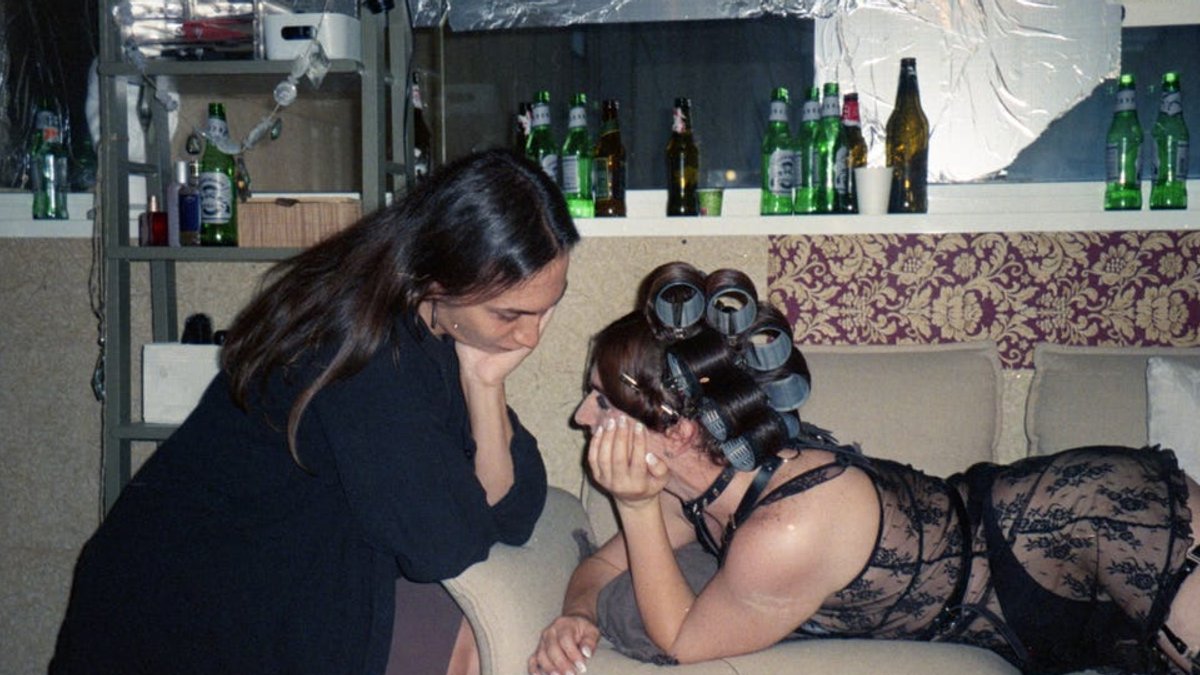
Paoli De Luca presents Revolver, a cybernetic and multigenre short film selected for the 41st Settimana Internazionale della Critica during the 83rd Mostra Internazionale d’Arte Cinematografica di Venezia. Born from five years of experience working as a photographer in a nightclub, the film transforms the clubbing scene into a poetic stage for a nocturnal universe filled with violence and desire.
The body as a weapon
De Luca describes the project as a trance that envelops the viewer, utilizing costumes, guns, and lights that can blind if observed too long. The narrative focuses on the figure of the cyborg—a hybrid creature that blends fiction with lived experience—to define the contemporary body. In this setting, the “war” is fake and theatrical, destined to dissolve at dawn.
According to the filmmaker, the title Revolver stems from the presence of the weapon in the mise-en-scène and what that object represents when it enters action. However, the authentic weapon is not the one held in hand, but the protagonist’s body itself—an “animus in revolt.”
Related: ACOTAR sequel details emerge from Maas
The production team utilizes clothing to define the space and give it a precise body and identity. The film moves beyond simple genre labels to explore how objects and environments serve as spaces of revelation for the characters.
De Luca draws inspiration from Donna Haraway’s Manifesto cyborg, viewing the genre as the film’s own body—a form capable of mutating like the bodies of the characters. This approach allows the film to traverse thriller, action, horror, romance, and erotica simultaneously.
A theater of resistance
The narrative structure mirrors the mythology of the Amazons, a matriarchal society of warrior women who lived on the margins of the world. This parallels the hierarchy within the club, where the war between dancers is fleeting and vanishes with the sunrise.
Related: Meghan shares glimpse of her morning routine
The filmmaker emphasizes that in her work, bodies are not defined didactically. Characters simply exist as people, forcing the audience to engage with them without preconceived notions. This approach challenges the audience to follow the story rather than projecting their own biases onto the screen.
For De Luca, this represents a refusal to let the cinematic system dictate how certain identities are portrayed. The goal is to create a space where trans and non-trans characters alike can live stories that go beyond their gender, maintaining their agency and reality.




Leave a Reply