As the pandemic raged on, Emily in Paris debuted in October 2020, offering viewers a much-needed escape. Created by Darren Star, the Netflix series follows Lily Collins’ character as she handles love and success in Paris, providing a “dreamy alternative” and a chance for audiences to live vicariously through her adventures in the City of Light, making for “delectably digestible television.”
Criticism and Design Philosophy
Fans of Emily in Paris didn’t share the same enthusiasm as critics, who quickly dismissed the show. Some argued it misrepresented French culture or lacked the sharp wit of Darren Star’s earlier projects. Others mocked Emily’s wardrobe, calling it a caricature of French style—overly bright, mismatched, or cliché-ridden in its Americanized take on Parisian fashion.
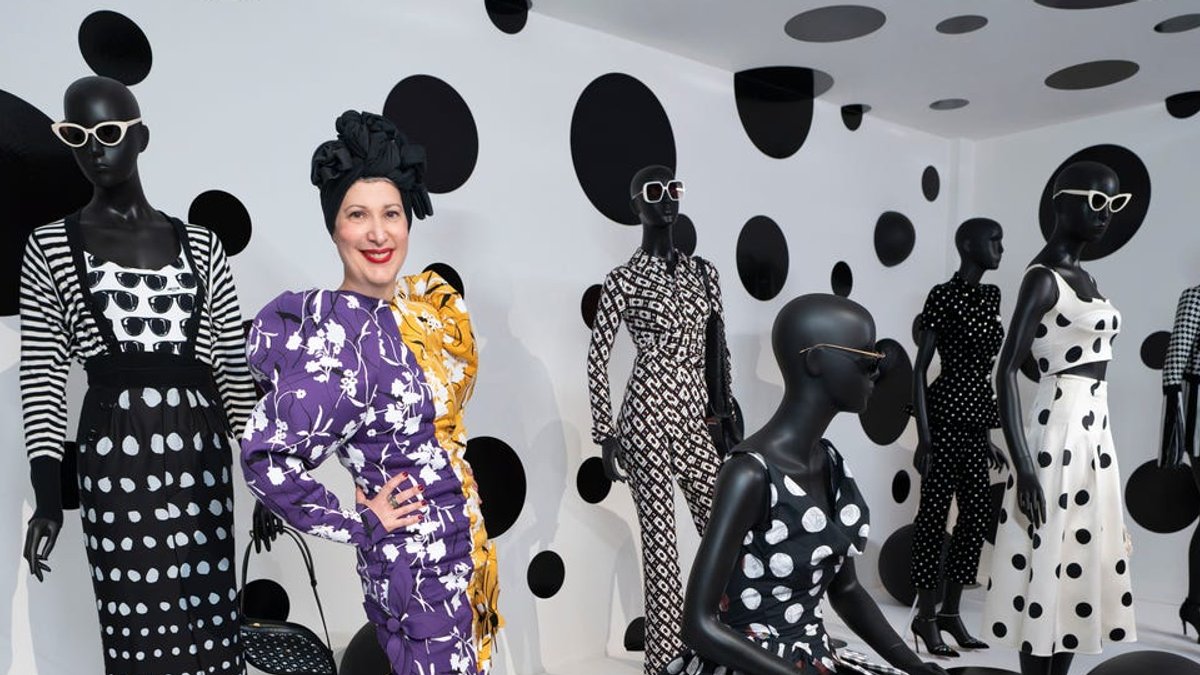
The SCAD FASH Museum of Fashion + Film is showcasing six seasons of Emily in Paris outfits in ‘Fashion Without Rules,’ an exhibit running until March 14, 2027. The display aligns perfectly with its theme: clothing as a liberating form of self-expression, regardless of location. It also serves as a visual timeline of Emily’s transformation, from wide-eyed American transplant to a confident Parisian. (Don’t worry—outfits from her stylish boss Sylvie, portrayed by Philippine Leroy-Beaulieu, are included too.)
Costume designer Marylin Fitoussi took these criticisms head-on and doubled down. Emily’s outfits weren’t meant to be couture or designer; they were meant to dress a girl finding her sense of self, expressing her desire to explore the unknown. For six seasons, Fitoussi curated a wardrobe fit for Emily, a bright-eyed young woman unafraid to try something new, to break the rules. This mirrors Fitoussi’s personal philosophy on clothing: that fashion is meant to break rules, to push boundaries, to provide a space of unrelenting experimentation.
Related Post: Bold Primary Colors Dominate Winter Fashion Trends
A Wardrobe for a Character
Fitoussi admitted she was caught off guard by fashion publications’ early criticism. Though not a designer, she loves clothes and knew the show wasn’t about haute couture. Emily, a spirited Chicagoan, couldn’t have arrived in Paris draped in Comme des Garçons or Issey Miyake, her wardrobe needed to reflect her outsider status. The team needed eye-catching choices to hook viewers.
When someone loves a culture but lacks the language or social cues to express it, clothing becomes their voice. Fitoussi argued the show never chased trends; it was about originality, individuality, and breaking free from what’s ‘acceptable.’ The audience connected with that, while fashion critics missed the point, she said, and dismissed it outright.
Many times, Fitoussi has asked herself, “Why does this little gingham suit have so much influence?” It’s quite simple. It was the most duplicated, copied, reposted, fan-arted, and used as a Halloween costume. It touched people because it was for them. The French can have their own version of it, their own concept, but for the entire world, it was this one little girly, timeless outfit with the red beret, the red lips, the red soul.
The Final Season and Legacy
For the final season, Fitoussi wanted to present a more raised, mature, and evolved version of Emily, while staying true to her character. The final looks featured an eclectic combination that was slightly awkward, reflecting Emily’s understanding of French rules yet her preference for breaking them. Fitoussi noted that stylists were sourcing more items from archives, indicating a lack of newness in fashion. She emphasized the show’s role in selling dreams, illusions, and boldness, rather than conforming to trends.



Leave a Reply