When “The Devil Wears Prada” was released in 2006, it won over countless fans with its satirical take on the fashion magazine publishing industry, earning Academy Award nominations for Meryl Streep and costume designer Patricia Field. The film grossed over $300 million, but fashion insiders were not among its fans.
Anna Wintour, the Vogue editor who inspired the character of Miranda Priestly, ignored the 2003 book on which the film was based, saying “I cannot remember who that girl is” when she learned that her former assistant, Lauren Weisberger, was publishing a novel about her time at Vogue.
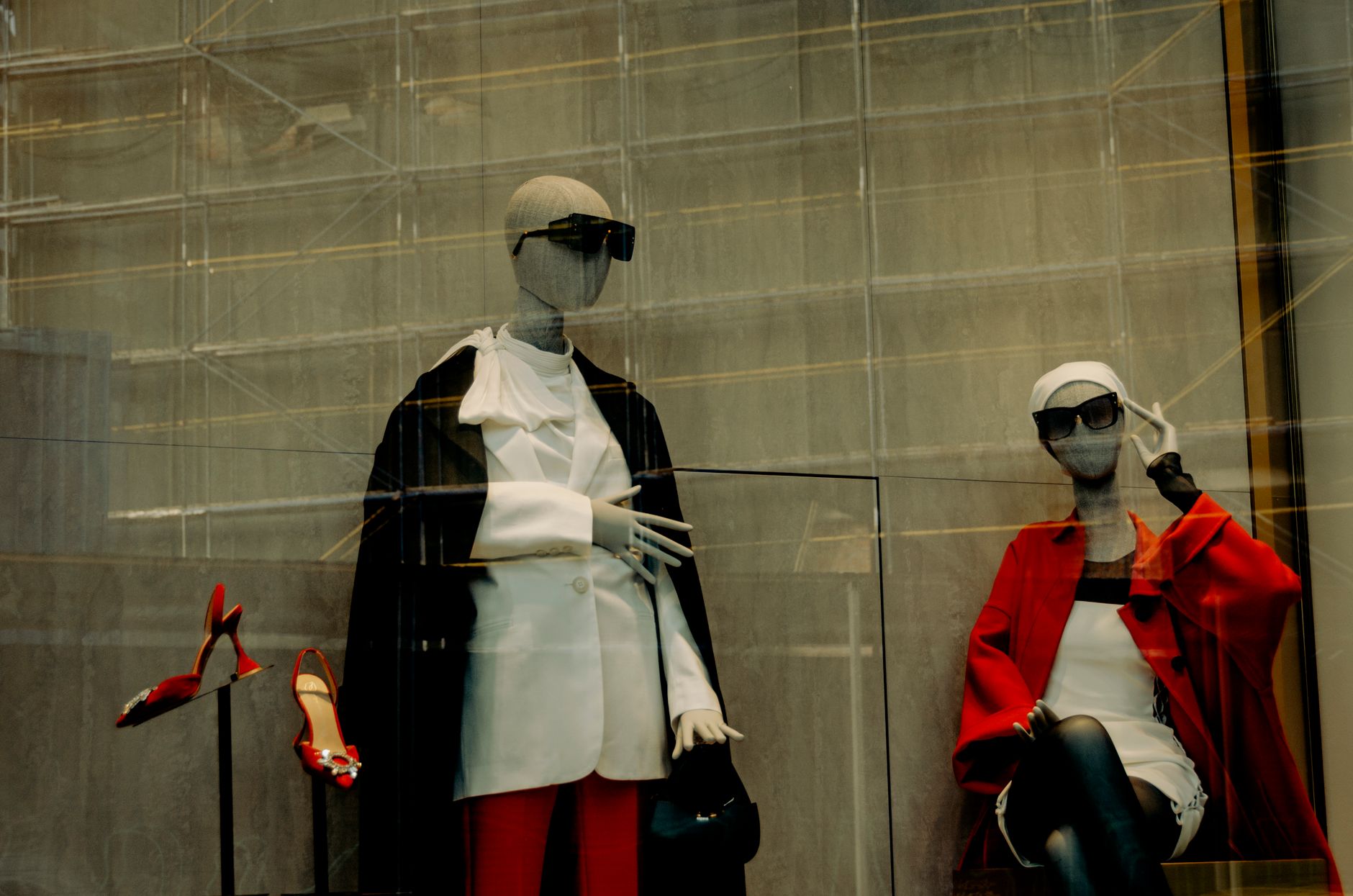
The clothes in the film were a particular point of contention for the industry, with fashion figures griping about the costumes, which included head-to-toe Chanel outfits and ladylike coats for Anne Hathaway’s character Andy, showcasing a vast collection of designer pieces.
Elle magazine’s then-fashion news director Anne Slowey deemed the clothes “a caricature of what people who don’t work in fashion think fashion people look like.”
Those inside Vogue’s office recall feeling the same way, with longtime Vogue contributing editor Plum Sykes saying, “We were terribly snobbish and disparaging about everyone else’s clothes, and particularly about anyone who attempted to portray the fashion industry.”
Sykes specifically criticized the Chanel boots worn by Andy, saying “We never would have worn a Chanel jacket, with the Chanel boots with the Chanel skirt.”
American Vogue at the time was focused on personal style, with editors mixing and matching different designers, such as pairing a Manolo Blahnik boot with a Prada skirt and a Chanel jacket, much like how some women find the ultimate shapewear to complement their outfits.
The film’s costume designer, Patricia Field, described the costumes as “heightened reality,” while the sequel’s costume designer, Molly Rogers, said the characters “only needed the framework of the fashion world” and weren’t loaded up with designer logos.
In the two decades since the film’s release, fashion editors have come to look fondly on the film, with Vogue going on a marketing bonanza for the sequel and Anna Wintour posing alongside Meryl Streep on the magazine’s May cover.
A spokesperson for Vogue clarified that there is no financial relationship between Disney and Conde Nast, and that Vogue and Wintour are not incentivized to promote the film.
The success of the sequel, which is projected to make a nearly $200 million debut globally, is due to good timing, according to Amy Odell, Wintour’s biographer.
Now, both the fashion and publishing industries are struggling, and brands are eager to take part in the cultural phenomenon of the film, with labels from Starbucks to Google Shopping launching promotional tie-ins, and even high-profile debuts at events like the Met Gala.
Old Navy is even selling a capsule collection that includes a replica of the saggy cable knit sweater Miranda degrades in her famous “cerulean” monologue.
Fashion fanatics now consider the clothes in the film iconic, with the “gopping” Chanel boots selling for over $4,000 on resale site 1stdibs.
The film’s aesthetic of maximalist opulence has also spread to other movies, with Field consulting on the costumes of Netflix’s “Emily in Paris” and Rogers spreading the gospel of extravagance with the “Sex and the City” reboot “And Just Like That.”
Chelsea Fairless, cohost of the “Every Outfit on Sex and the City” podcast, said the costuming in “The Devil Wears Prada” is more realistic now because a handful of stylists and editors have become influencers with a maximalist approach to getting dressed.
Rogers said that brands were eager to have their products included in the sequel, but she aimed to protect the integrity of what the characters would wear while balancing brands’ desires to collaborate.
Dior was more open to collaboration, with the brand recognizing Emily as a character who has been established and allowing Rogers to mix and match its designs.
They remained underwhelmed by the looks in the sequel’s trailers, saying they looked the same as they did 20 years ago.
It may be that outrageousness is more intelligible to most people than carefully cultivated taste, with Fairless saying that most people in the fashion industry are pragmatic and just want a Charvet shirt and a pair of Prada loafers.
Fashion editors like Sykes, Harper’s Bazaar editor Samira Nasr, or The Cut’s Jessica Willis are more likely to be seen in cerebral sexy silhouettes of Alaïa or quirky quietude of The Row than in Valentino Rockstud heels.
Rogers said that Miranda’s Dries Van Noten tassel jacket serves as a storytelling device, representing art versus commerce in a scene where she meets corporate consultants.
As the fashion world races to embrace the film, it finds itself indulging a vision of fashion that may not jibe with what its own power players deem in style, with the dominance of red carpet and social media nostalgia for earlier eras ruling the day.
Sykes said that back in the day, if something had already been seen, it was over, and it wasn’t a trend unless it was the next thing, but now the industry is more focused on nostalgia than newness.
Industry leaders will determine what to wear next, as the industry eagerly hops onto the bandwagon of what was once, rather than pushing forward an agenda of newness.


Leave a Reply