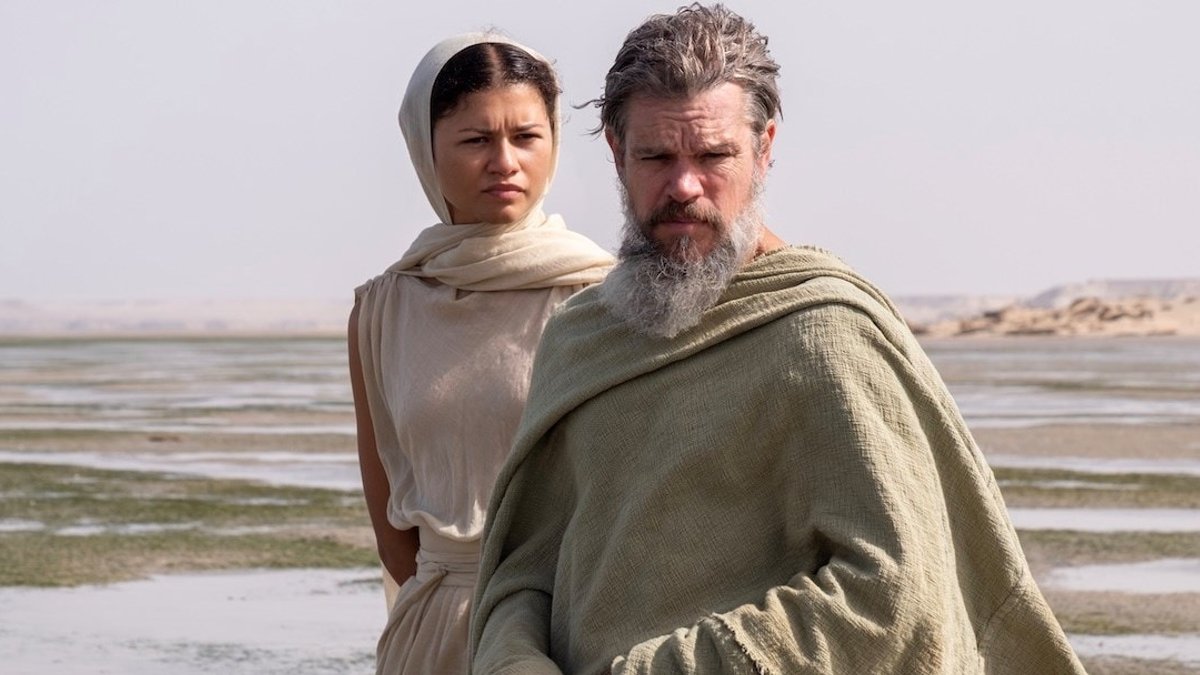
Tomi Adeyemi has described the production of the upcoming film adaptation of her novel Children of Blood and Bone as “the worst thing I’ve ever had to live through,” posting the comment on TikTok while visibly holding back tears. The fantasy‑drama, which stars Amandla Stenberg, Damson Idris, Viola Davis and Cynthia Erivo, follows the heroine Zélie Adebola as she seeks to restore magic to the fictional kingdom of Orïsha after a tyrannical ruler suppresses it.
Author’s Frustration Turns Public
When Adeyemi first secured a publishing deal for her debut, it was hailed as one of the largest contracts in young‑adult history. She later contributed a screenplay for the film, but the process has become a source of anguish. In a later TikTok video she said, “Please understand I never want to hear about this project again. I have nothing to say about the people who made it. I don’t care anymore. I am trying to move on.” The statement was posted without any follow‑up from the studio.
Details about the conflict are sparse. The outlet reported that a casting dispute involving Stenberg, who portrays Princess Amari, may have contributed to tensions. Adeyemi also posted a screenshot of a group chat that included the actress, adding a terse demand: “Do not ever use my name in an interview or video again. Do not text me. Do not call me.” The post was later removed, but the screenshot remains widely shared.
Related: VCUarts Qatar showcases creative student projects
Pattern of Discontent Among Writers
Adeyemi’s experience joins a longer list of authors who have publicly expressed displeasure with how their books were translated to the screen. Donna Tartt saw her sole adaptation, The Goldfinch, open poorly and receive harsh reviews, a result she reportedly blamed on being kept at arm’s length during production. Stephen King has repeatedly criticized Stanley Kubrick’s version of The Shining, calling the treatment of Shelley Duvall “insulting.”
Other notable examples include Truman Capote, who felt Breakfast at Tiffany’s miscast Audrey Hepburn, and Bret Easton Ellis, who objected to the gender of the director of American Psycho and to the notion that his novel could work as a film.
The pattern suggests that the transition from page to screen often creates friction, especially when authors feel excluded from key creative decisions.
While each case is distinct, the recurring theme is a sense of loss of control. Authors who have invested deeply in their stories sometimes find the final product diverging sharply from their original vision. This can leave them feeling alienated from a work that originally defined their careers.
Related: Rains Appoints Philip Lotko Creative Director
The future remains uncertain.
What Comes Next for the Film
As of now, the production timeline for Children of Blood and Bone remains unclear. No official statements have been released by the studio regarding the future of the project, and Adeyemi’s request for silence appears to be respected by the media. The film’s budget, release date and distribution strategy are still unconfirmed.
Fans of the novel await further news, but the author’s public withdrawal suggests that any promotional efforts will be limited. Until the studio provides an update, the adaptation hangs in a state of uncertainty, with the possibility that it may never see the light of day.



Leave a Reply