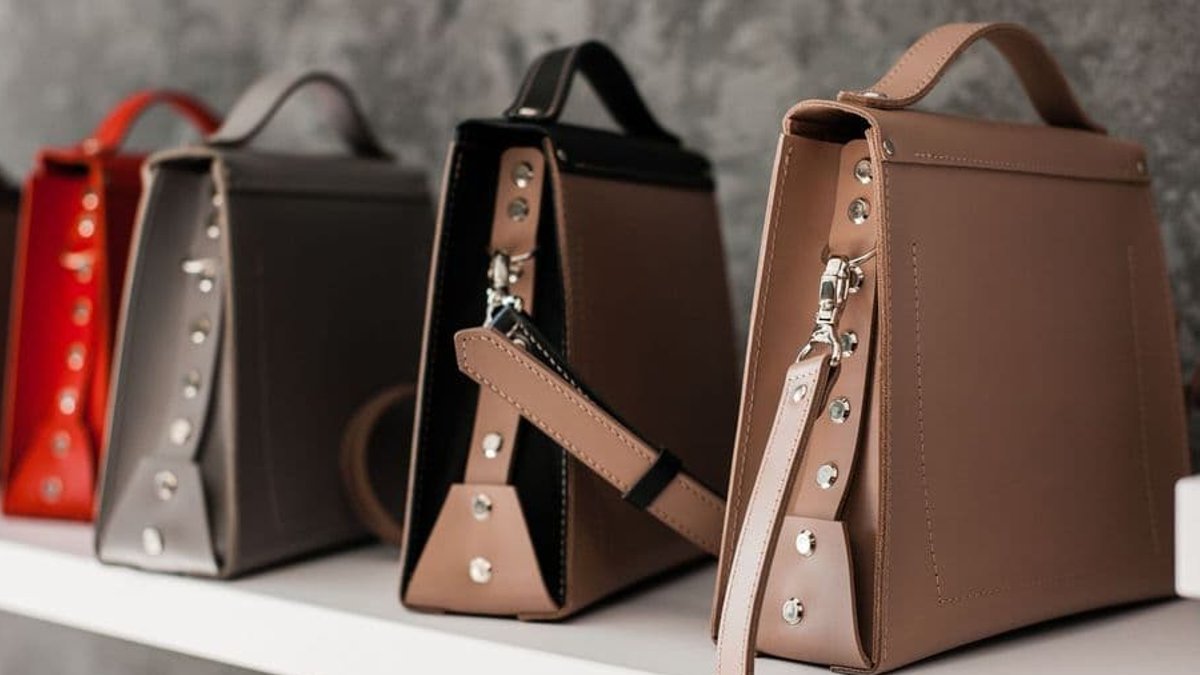
AI shopping assistants are turning handbag searches into conversational exchanges, letting shoppers describe fit, material and daily use rather than selecting a static category. Customers can speak about preferred strap length, desired interior pockets, or the type of hardware they favor, and the assistant translates those cues into product filters.
AI tools reshape handbag shopping
By framing the request as a situation, the retailer must map those needs to product attributes without fabricating answers. This approach prevents the system from guessing and reduces the chance of presenting irrelevant models.
When comparing Dooney & Bourke models, factors like strap length, closure mechanism and internal organization often outweigh a generic “versatile everyday bag” label. Such criteria help differentiate a sleek commuter tote from a larger weekend carrier.
Accurate answers rely on verified catalog data; photographs alone cannot confirm whether a compartment fits a specific laptop size. Therefore, merchants rely on exact measurements recorded in the database rather than visual estimation.
Data quality drives accurate guidance
If measurements are absent, the tool should acknowledge the gap rather than infer suitability from visual cues.
Product descriptions, inventory lists and service notes frequently reside in separate databases, creating an operational challenge for seamless answers.
Generative language models can produce fluent text, but they do not resolve inconsistencies in source records.
Read Also: Nigerian streetwear brand redefines global fashion with bold African identity
Retrieval-augmented generation can anchor replies in retrieved data, yet it still depends on the existence of correct, up-to-date entries.
Preparing complete records therefore becomes part of the customer experience, not merely a back-office task. Maintaining up-to-date entries also supports future interactions that require precise specifications.
Discussion about care—rain resistance, finish treatment or removable straps—requires product-specific guidance rather than a broad statement about leather.
Ensuring consistency from advice to delivery
Recommendation logic can be influenced by stock levels, relevance scores or promotional priorities, which may surface a less suitable bag as the top choice.
Clear policies are needed so a shopper asking for a secure commuting bag does not receive an option driven primarily by marketing push.
Personalization may refine subsequent suggestions, yet data minimization principles require collecting only information essential for the defined purpose.
Secure staff access, such as multifactor authentication, supports protection of systems that store customer details, complementing broader access-control measures.
Read Also: Money Valentino marks decade of historic-future design
Once a purchase is made, earlier statements become expectations; delivery timelines, return terms and product features must align with the advice given.
If a bag arrives missing a promised attribute, the responsibility shifts to customer service, highlighting the need for traceability from answer to source record.
Ricardo Tomaz’s leadership and commentary at Ztudium
Ricardo Tomaz serves as vice president of finance and operations for Ztudium, the 4IR technology firm behind Businessabc, Citiesabc, and IntelligentHQ. He oversees the finance and operations function, which includes financial strategy, budgeting, reporting, and multi-entity operations. He works with the company’s leadership to align commercial goals with insight.
Within Ztudium’s AI and blockchain focus, Tomaz writes about the overlap of finance and technology. His topics include how automation and digital transformation reshape business operations, the practice of data-driven decision-making, and governance and ethics concerns linked to AI-led systems.
Feedback loops improve product information
Repeated queries about strap drop length or compartment dimensions signal gaps on the product page, prompting updates to photography, catalog fields and buying guides.
A practical next step can be as simple as asking the shopper which laptop model they own, checking its dimensions against verified measurements, and holding the recommendation until confirmation.





Leave a Reply