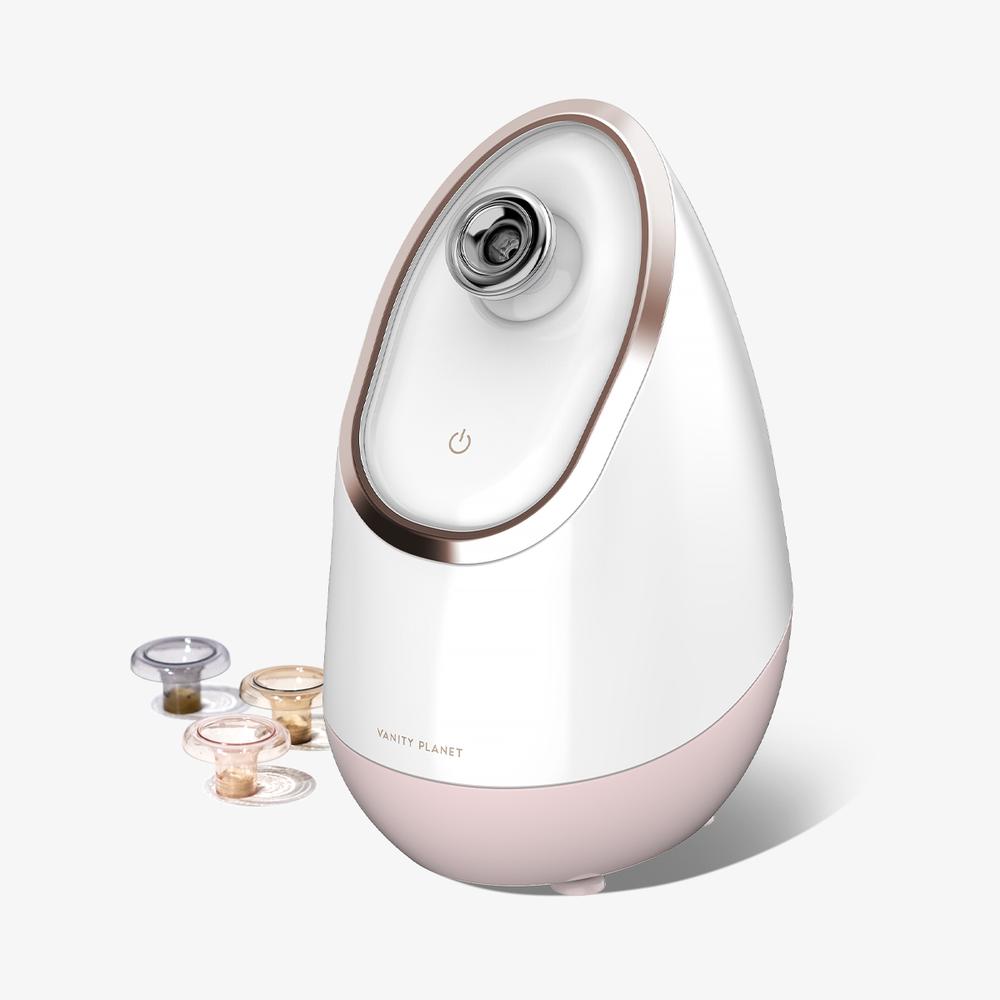
Facial steaming softens trapped sebum, dead skin cells, and debris, making it significantly easier to clear out stubborn clogged pores. While steam does not physically open or close pores, since pores lack muscle tissue, the warm moisture loosens the hardened oil and impurities trapped deep inside them. Incorporating facial steamers into your skincare routine prepares your skin for deeper cleansing, enhances product absorption, and leaves your complexions noticeably smoother. Understanding how to use steam safely ensures you extract maximum benefits without irritating or damaging your skin barrier.
How Warm Moisture Clears Pore Congestion
Warm steam works by melting excess sebum and hydrating the outermost layers of dead skin cells that plug pore openings. Sebum naturally hardens inside pores when exposed to air and environmental pollutants, creating stubborn blackheads and whiteheads that resist surface cleansers. The concentrated warmth from a steamer liquefies these hardened lipids, allowing them to flow out of the pore lining more freely.
Softening the skin matrix increases skin permeability, allowing active ingredients to penetrate deeper into the dermis. Applying targeted serums or exfoliants immediately after steaming delivers those active ingredients directly to cleared pathways where they perform best. Steam also stimulates localized circulation, bringing oxygenated blood flow to the surface and giving your skin a healthy, natural glow.
Avoiding Common Facial Steaming Mistakes
Exposing your face to excessive heat or holding the steamer too close causes broken capillaries, inflammation, and severe dryness. Water temperature rises quickly, and placing your face directly over an intense steam spout strips your natural moisture barrier. Maintaining a safe distance of eight to twelve inches from the nozzle protects delicate surface capillaries while still delivering effective hydration.
Limiting your steaming sessions to five to ten minutes prevents moisture loss through trans epidermal evaporation. Steaming for too long actually dehydrates your skin by washing away protective lipid barriers. Individuals dealing with active rosacea, severe cystic acne, or eczema should exercise extra caution, as intense heat dilated blood vessels and aggravates underlying redness and inflammatory conditions.
Integrating Facial Steam Into Your Skincare Regimen
Steaming is a powerful prep step that elevates the performance of your entire skincare collection when performed correctly. Using steam before applying a gentle extraction tool or exfoliating mask makes pore clearing effortless and reduces the mechanical force needed to remove impurities. Minimizing physical pressure prevents skin tearing, post-inflammatory hyperpigmentation, and facial scarring.
After your treatment, applying a cold compress or cool water relaxes the skin and lessens transient redness. Seal in moisture while your skin is still slightly damp to lock in water content and restore your lipid barrier. Consistency and moderation yield the best results, transforming a simple heat session into a spa-quality treatment at home.
Conclusion
Facial steaming is an effective tool for loosening stubborn pore congestion, softening dead skin, and boosting product efficacy. Respecting heat limits, keeping proper distance, and sealing in hydration ensures you clear impurities without compromising your delicate moisture barrier. Adding a targeted steaming session to your weekly routine keeps your pores clean, refined, and healthy over the long term.





Leave a Reply