
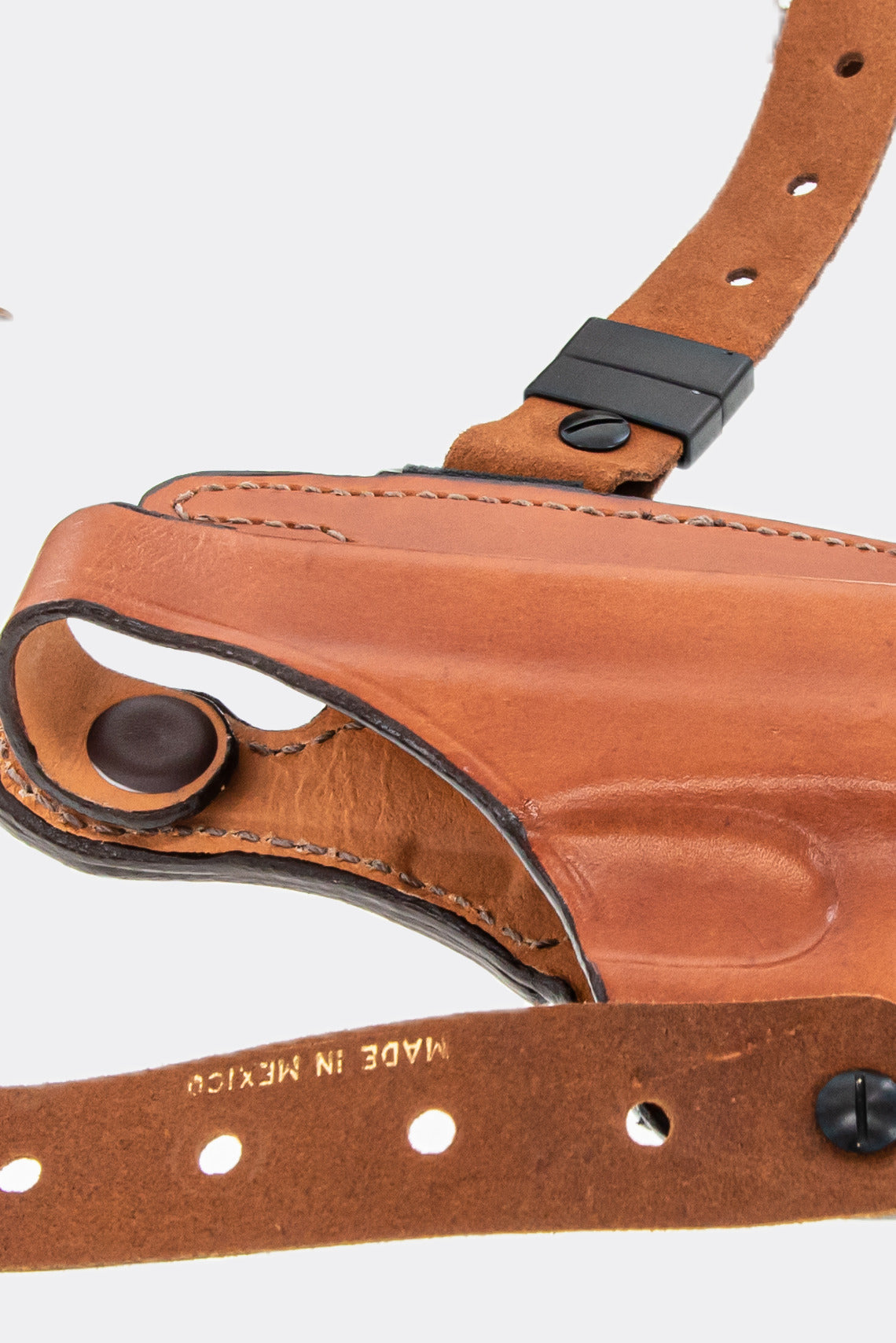
Choosing to carry a concealed firearm is a significant responsibility that comes with a unique set of logistical challenges, the most prominent being physical comfort. For many, the leather holster remains the gold standard of the industry, prized for its traditional aesthetic, durability, and the way it matures over time. Unlike rigid synthetic materials, leather is a natural fiber that possesses the unique ability to adapt to the wearer’s body. However, achieving true comfort with a leather holster is not an automatic process. It requires an understanding of material science, proper positioning, and the patience to allow the equipment to integrate with your daily movements.
The Importance of the Break-In Period
The most common mistake a new owner makes is assuming a leather holster will be perfectly comfortable the moment it comes out of the package. Quality leather is intentionally stiff to ensure retention and safety, meaning it needs a dedicated break-in period. During the first few days of wear, the leather will begin to react to your body heat and the pressure of your firearm. This process allows the holster to mold slightly to your hip or waistline, rounding off sharp edges and creating a personalized fit.
To speed up this process without damaging the integrity of the material, many experts suggest wearing the holster around the house for several hours a day. This allows the leather to flex and soften in response to your natural gait and sitting positions. It is important to avoid using harsh oils or softeners, as these can over-soften the leather to the point where it no longer safely retains the firearm. A well-maintained leather holster should remain firm enough to protect the trigger guard while being supple enough to move with you.
Finding the Sweet Spot for Positioning
Comfort is largely determined by where the holster sits on the belt line. Because every individual has a different physical build, there is no universal perfect position. For leather holsters, which tend to have a slightly larger footprint than minimalist plastic versions, finding the right “cant” or angle is essential. A slight forward tilt can help the grip of the firearm tuck more naturally into the small of the back, preventing the leather from digging into the hip bone when you sit down.
Experimenting with the clock-face positions around your waist is the best way to find your sweet spot. Many find that the four o’clock position offers the best balance of concealment and comfort for leather rigs, as it places the bulk of the holster in the fleshy part of the rear hip. Additionally, ensuring that your belt is specifically designed for load-bearing is crucial. A standard dress belt will often sag under the weight of a leather holster, causing it to pull uncomfortably against your skin. A dedicated gun belt provides the vertical rigidity needed to keep the holster in place, distributing the weight evenly around your core.
Conclusion
Carrying a firearm in a leather holster is a classic choice that rewards the patient user with a level of comfort that synthetic materials rarely match. By respecting the break-in process and taking the time to dial in your positioning, you transform a piece of equipment into a natural extension of your wardrobe. The beauty of leather lies in its transition from a stiff tool to a custom-fit accessory that only gets better with age. When you prioritize a quality belt and proper maintenance, you ensure that your carry setup remains a reliable and comfortable companion for years to come.